 |
 |
|
|
|
|
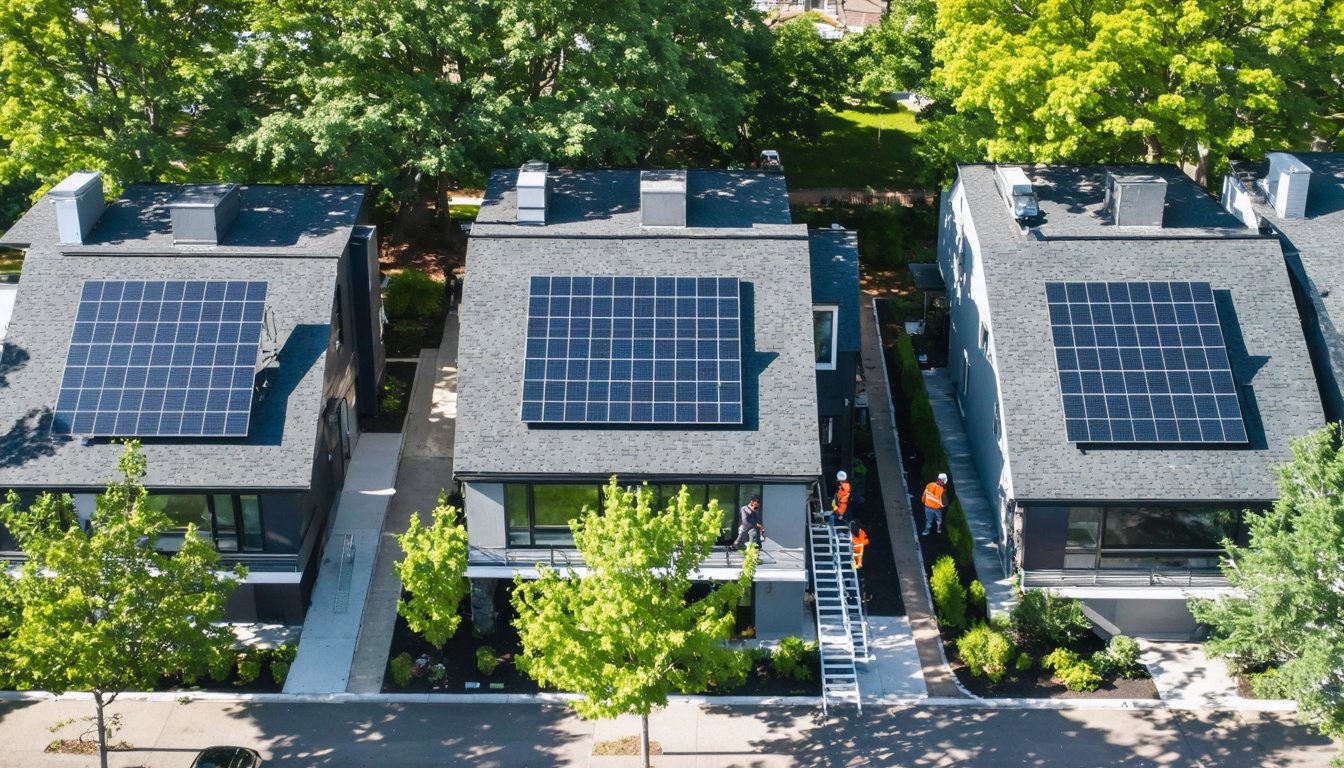 Solar Ready Roof Upgrades That Matter for Homes in New Haven, ConnecticutConsidering a roof upgrade in New Haven, it's important to evaluate the potential of making it solar ready. This could significantly enhance the energy efficiency of your home and contribute to its overall market value. Key factors to assess include the roof's orientation, structural integrity, and the materials used, especially in light of Connecticut’s solar incentives. A roof's orientation affects how much sunlight the solar panels will receive, with south-facing roofs typically receiving the most exposure. Additionally, the structural soundness of a roof is critical; it needs to support the weight of solar panel installations and withstand environmental stresses. The materials of the roof also play a significant role in solar readiness. For instance, roofs made from metal or tiles may be more compatible with solar installations compared to those made from asphalt shingles. Before proceeding with upgrades, it is advisable to research which modifications genuinely improve solar compatibility and assess their long-term impacts on energy consumption and costs. Understanding these elements will facilitate informed decision-making regarding solar-ready enhancements to your home. Assessing Your Roof’s Suitability for Solar InstallationsEvaluating your roof's suitability for solar panel installation requires careful consideration of several important factors. Begin by inspecting your roof for any visible signs of deterioration, which may include curling shingles, cracked tiles, or indications of leaks. Addressing these issues is crucial before proceeding with installation to ensure the solar system remains effective and has a long lifespan. If your roof is over 15 years old, it is prudent to arrange for a professional evaluation by a licensed roofing contractor, especially in regions like Connecticut where weather conditions can significantly impact roofing materials. This evaluation is necessary to ascertain whether your roof is structurally sound and compliant with local regulations governing solar panel installation permits. Obtaining a detailed quote from a qualified solar installer is also recommended. Relying solely on referrals may not present a full spectrum of your available options. Depending on the findings from the structural assessment, it may be necessary to consider upgrading your roof or its structural support. Such upgrades could potentially lead to long-term cost savings by mitigating issues after solar panel installation. Additionally, it is advisable to investigate available residential incentives and financing options, as these can offer financial assistance that may help offset initial costs associated with solar energy systems. It is important to remain informed regarding relevant privacy policies and to understand any applicable rates. The Value of Bundling Roof Replacement with Solar PanelsWhen assessing solar installation, bundling roof replacement with solar panel installation offers several practical advantages. Working with a single contractor for both roofing and solar projects can streamline the process by combining necessary permits, inspections, and project schedules. This integrated approach may lead to cost savings, particularly in areas like Connecticut’s Shoreline, where some homeowners have reported reductions of up to 50% in their electric bills following the adoption of solar energy. In addition to potential savings, federal incentives and referral discounts can help lower the combined costs of these projects, allowing for a more manageable payment plan. Engaging a qualified team for both the roofing and solar installation helps ensure that the roof's shingles and overall structural integrity are properly evaluated, which may decrease the likelihood of needing further replacements in the future. Homeowners are encouraged to obtain a detailed quote that outlines the pricing for both services. This enables them to make informed decisions regarding the financial implications of bundling these projects. For further details, homeowners should review applicable terms, including any relevant privacy policies and potential rates. Key Indicators Your Roof May Need an UpgradeA structurally sound roof is vital for the effective installation of solar systems, as it must provide adequate support for the added weight and structure. Therefore, evaluating the condition of your roof before installation is an important step. Indicators that may suggest the need for maintenance or replacement include curling or missing shingles, visible leaks, moss growth, or stains indicating deterioration. In Connecticut, roofing systems older than 15 years or those that show significant wear may lack the necessary structural integrity to support solar panels safely. Upgrading your roof prior to solar installation can enhance the longevity of the solar system and prevent potential unexpected costs in the future. Before contacting a solar installer or requesting a quote, ensure that your roof meets local building codes and is ready for the necessary permits. Engaging a qualified installation team can help clarify available services and payment options. Additionally, it is important to review any data rates and privacy policies that may apply to service agreements with your chosen provider. Understanding Connecticut’s Solar Incentives and Financial BenefitsUnderstanding the financial implications of upgrading your roof for solar energy installation in Connecticut is important for homeowners contemplating this investment. There are various incentives designed to help reduce overall costs, and consulting with Solar Power Services can provide clarity on available programs like the 30% federal tax credit for solar system installations and roof enhancements. Connecticut's Renewable Energy Solutions (RRES) program offers compensation based on the energy produced by solar installations. Homeowners can select between two options—Buy-All or Net Metering—depending on their specific energy consumption and generation needs. Furthermore, these incentives can contribute to decreasing expenses related to roofing materials, installation, permits, and energy storage systems. Acquiring solar panels outright can increase the financial benefits available to homeowners, particularly if the current roof requires replacement to provide adequate support for the solar system. Consulting with a qualified professional for an assessment can help identify the most suitable solutions for making the property conducive to solar energy, ensuring both energy production objectives and structural stability. Cost Analysis: Projected Savings and Investment RangesCost is an important consideration when upgrading your roof for solar readiness in New Haven. For homeowners whose roofs are due for replacement, the average costs in Connecticut range from $10,000 to $15,000. When factoring in the installation of solar panels, the overall project cost typically ranges from $25,000 to $60,000. Engaging with qualified roofing and solar installation professionals is recommended to ensure informed decision-making. Obtaining quotes and confirming necessary data rates can provide further clarity regarding potential costs. In addition, homeowners may benefit from various incentives and federal tax credits, which can lead to projected savings in energy costs of approximately $50,000 to $70,000 over a 25-year period. Payment plans are often available, frequently resulting in monthly expenses that are lower than traditional electric bills. It is also crucial to assess the structural integrity of your roof before proceeding with these upgrades to ensure that it can support the new systems effectively. Why Local Expertise Matters for Solar and Roofing ProjectsEngaging local expertise for solar and roofing projects in New Haven presents practical benefits related to the specific climatic and environmental conditions of the area. Contractors with local knowledge understand the appropriate roofing materials and reinforcements that enhance durability in regions prone to coastal weather challenges. Their awareness of local building codes and regulations facilitates a smoother permitting process, ensuring that all work meets legal requirements. Experienced local installers can effectively coordinate the installation of solar panels alongside roofing projects. This integration is crucial for ensuring that both systems operate efficiently and support each other, which is essential for maintaining the structural integrity of the home while optimizing energy performance. Additionally, local professionals are well-versed in the financial incentives and payment options available in Connecticut, which could lead to lower overall project costs. They can provide prospective clients with detailed quotes, including clear breakdowns of services and costs. By consulting local experts, homeowners can access customized solutions that align with their specific needs while ensuring compliance with relevant regulations and privacy policies. Ownership vs. Leasing: Choosing the Right Solar Panel OptionWhen evaluating the options of owning versus leasing solar panels, it is crucial to understand the implications of each choice on both initial costs and long-term financial outcomes. Owning a solar installation in Connecticut allows individuals to access various incentives, such as the 30% Federal Tax Credit and state-specific rebates. These incentives are intended to reduce overall expenses and potentially enhance savings over time. Conversely, leasing solar panels generally involves a lower upfront financial commitment. However, this arrangement may complicate future property transactions and result in the loss of certain financial incentives available to owners. Individuals should carefully consider the trade-offs between reduced initial costs and the long-term financial implications associated with leasing. It is also recommended to collaborate with a qualified installer to thoroughly assess the roof's structural integrity, including the condition of the shingles and overall roofing quality. If the roof requires replacement, it may be advisable to align the roof replacement with the solar panel installation to optimize costs and efficiency. Moreover, obtaining detailed quotes, securing the necessary permits, and understanding local utility rates are essential steps in the process. Engaging in these preparatory actions can help ensure that the investment in solar energy is financially sound and effectively managed over time. ConclusionUpgrading your roof to be solar ready can enhance your home's energy efficiency and serve as a valuable long-term investment. In New Haven, Connecticut, homeowners have access to various solar incentives which can facilitate the adoption of solar energy systems. Implementing a solar ready roof can potentially lower energy expenses and increase property value, as homes equipped for solar energy may be viewed favorably in the real estate market. Additionally, a solar ready roof supports local sustainability efforts by contributing to a reduction in reliance on fossil fuels. Homeowners have the option to either purchase solar panels or lease them, both of which can provide access to clean energy. The choice between ownership and leasing typically depends on individual financial circumstances and preferences. In conclusion, upgrading to a solar ready roof can align with both personal and community goals related to energy efficiency and sustainability in New Haven. |
    |
 |